Live Science - 2 Jul 2025 00:30
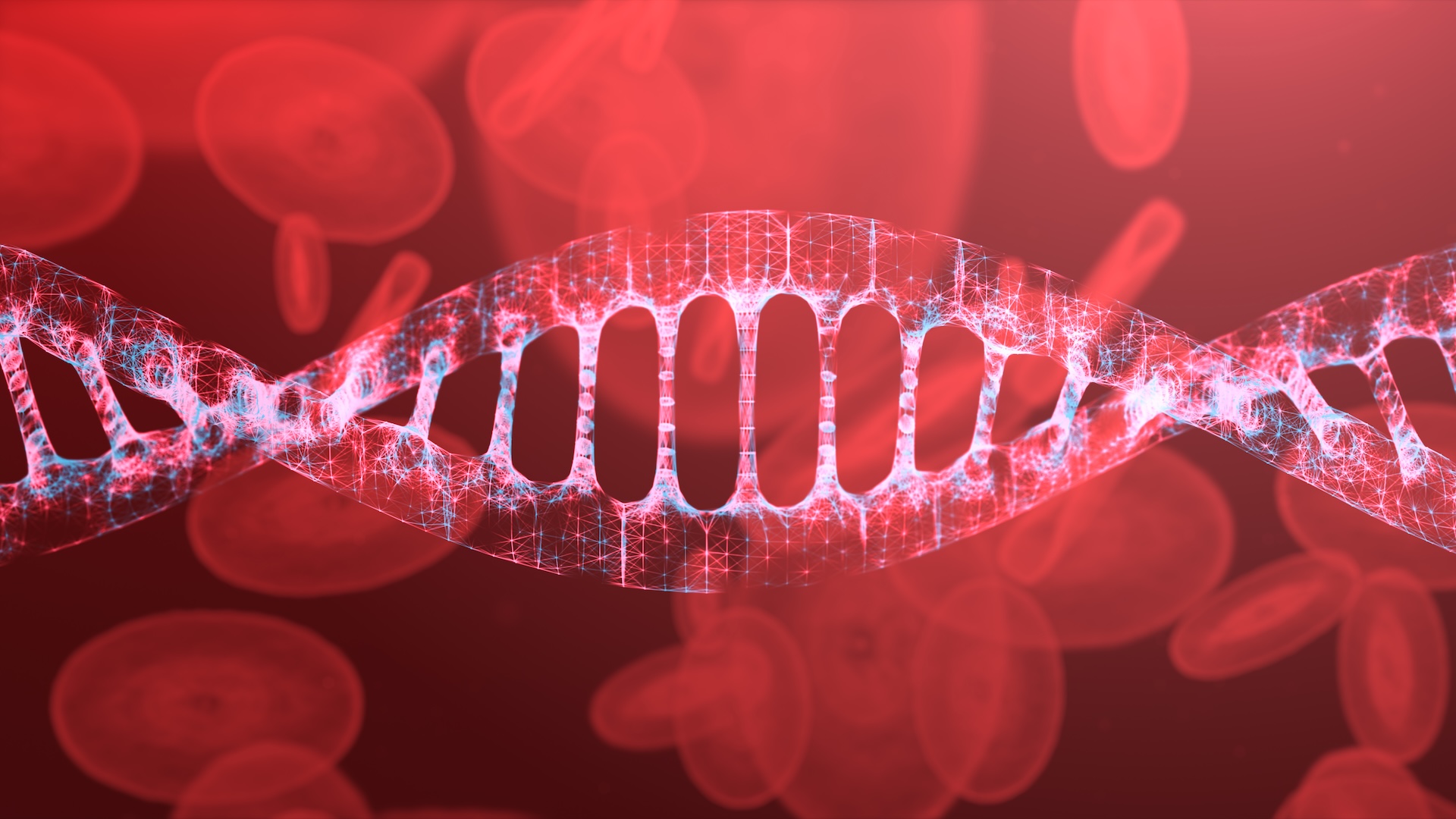
Researchers have identified ways in which chemotherapy can damage healthy cells and found that some drugs can add decades of "age" to otherwise normal blood cells.
Phys.org - 2 Jul 2025 19:00

Imagine a liquid that flows freely one moment, then stiffens into a near-solid the next, and then can switch back with a simple change in temperature. Researchers at the University of Chicago Pritzker School of Molecular...
Live Science - 2 Jul 2025 23:00
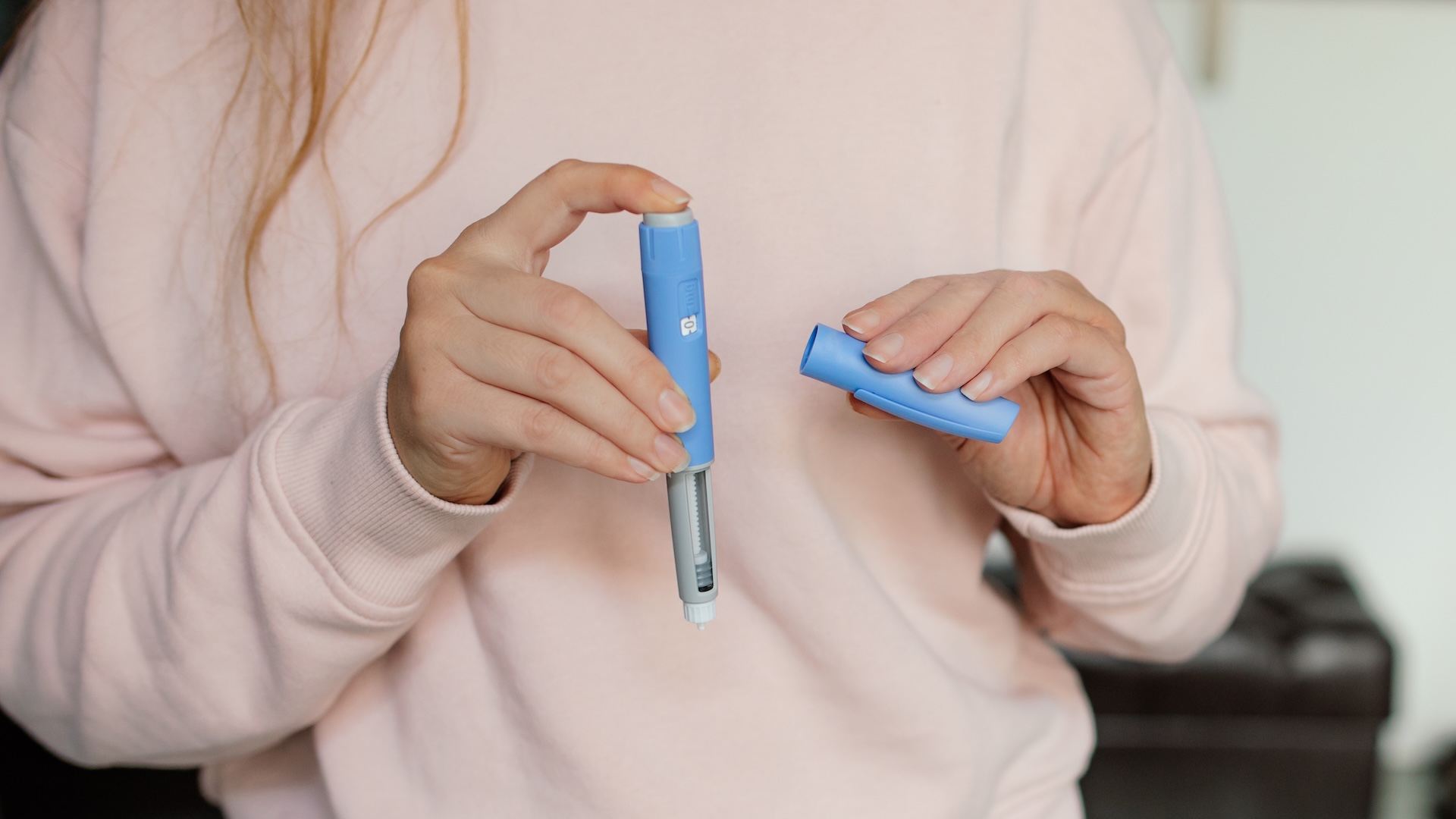
A clinical trial for semaglutide, the active ingredient in Ozempic, found that it improved blood sugar control in people with type 1 diabetes.
Live Science - 2 Jul 2025 22:15
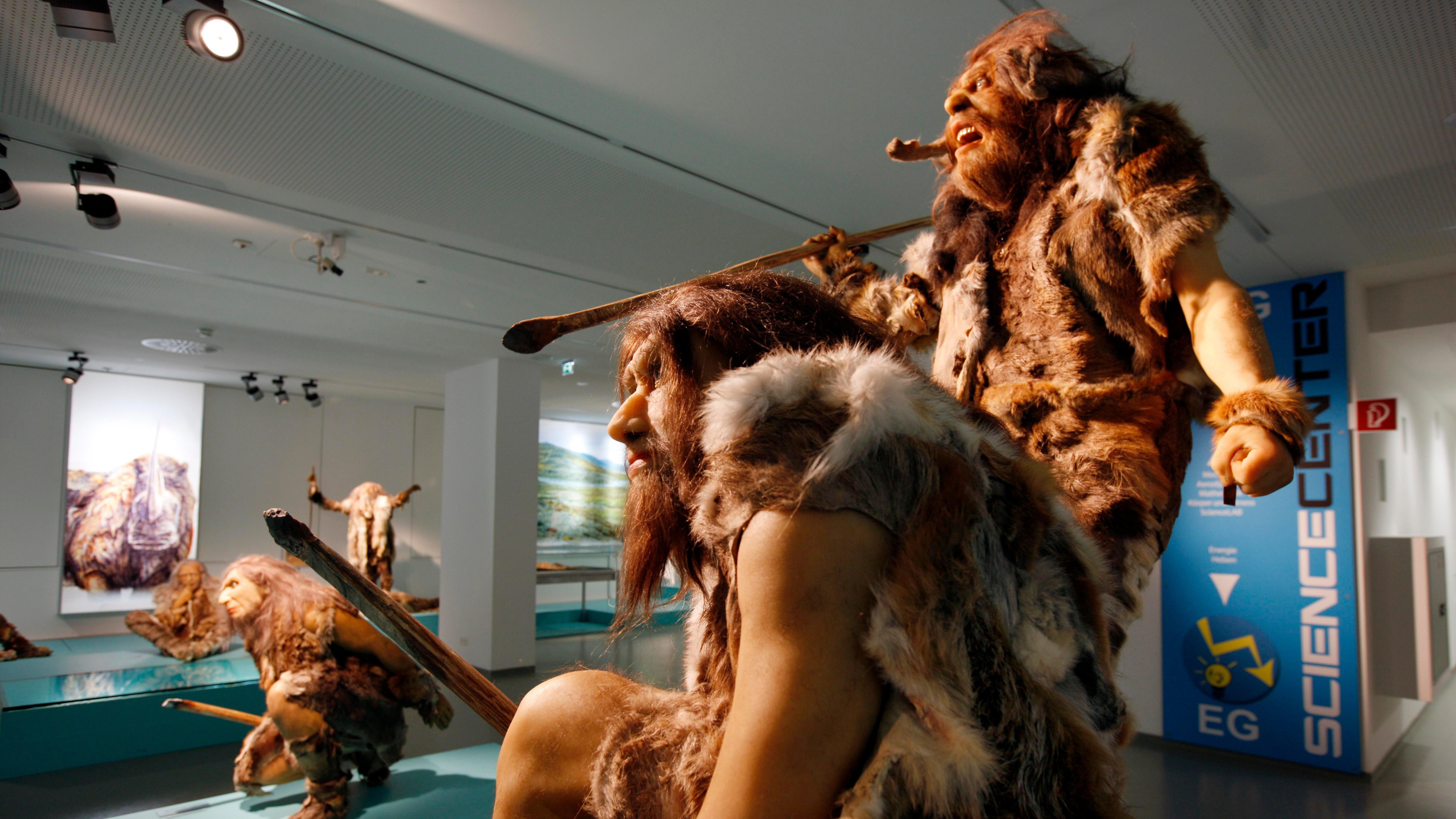
An analysis of ancient animal bones found in Germany suggests that Neanderthals extracted grease from them to gobble up 125,000 years ago.
Phys.org - 2 Jul 2025 21:13

The motion of snakes has long fascinated humans: they undulate, they sidewind, they crawl, they even fly.
New Scientist - 2 Jul 2025 21:00

A lab experiment that simulated Mars conditions showed that green algae can grow in plastic containers made from the same algae, setting the stage for a self-sustaining system to build habitats on the planet
New Scientist - 2 Jul 2025 21:00

Red heart or thumbs up? Sending emojis to close friends makes them see you as more attentive and likeable than text-only messages do - no matter which emojis you use
New Scientist - 2 Jul 2025 21:00

An ancient human site in Germany features animal bones that were smashed into small pieces and heated to extract fat 125,000 years ago, showing that Neanderthal culinary skills were surprisingly sophisticated
New Scientist - 2 Jul 2025 21:00

We have now learned why wounds in our mouth don't scar, which could lead to treatments that prevent such blemishes on the skin
Live Science - 2 Jul 2025 20:25
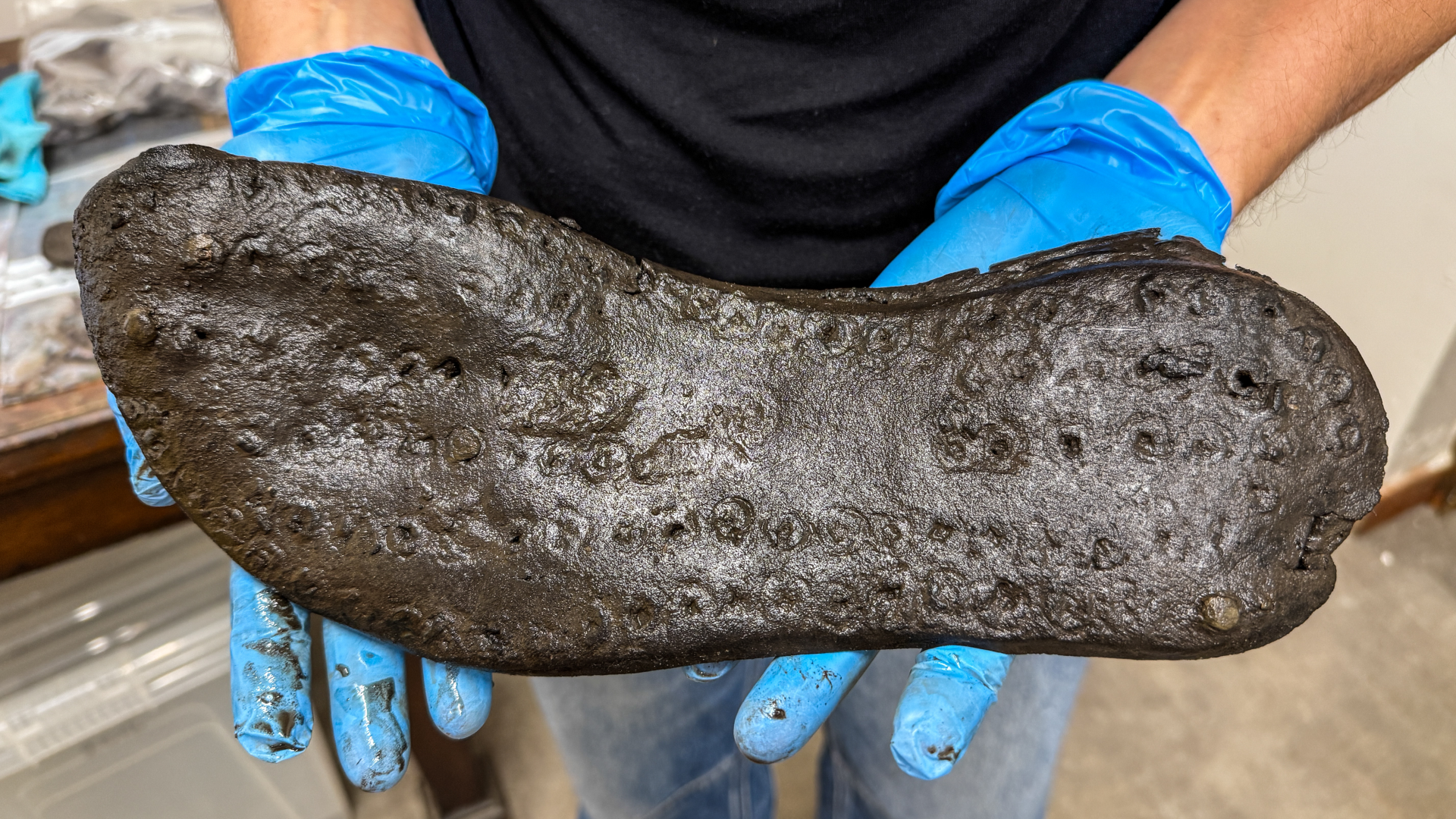
Eight XXL leather shoes have been recovered from Magna, a Roman-era fort along Hadrian's Wall.
Live Science - 2 Jul 2025 20:25
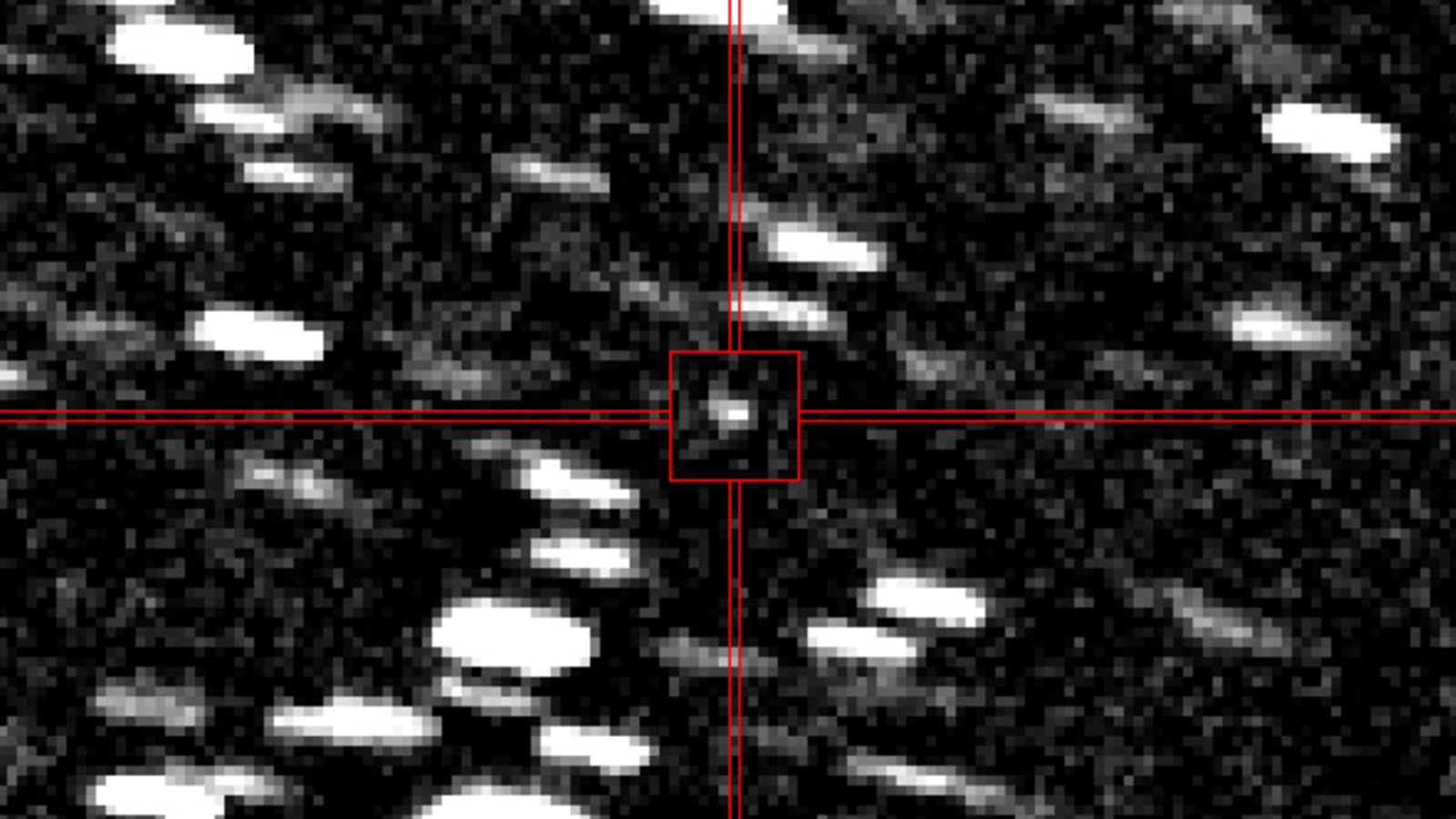
A newly discovered object, dubbed A11pl3Z, appears to be moving too fast and straight to have originated in the solar system. If confirmed, it will be the third interstellar visitor ever spotted.
New Scientist - 2 Jul 2025 20:00

The downsides of diagnosis and an epic trek following a Slovenian wolf are among our culture editor's top popular science books of the year to date, featuring a range of authors from Robert MacFarlane to Suzanne O'Sulliv...
New Scientist - 2 Jul 2025 20:00

Feedback is horrified to see AI's attempts at reworking classic novels, and is concerned that the computers might not quite understand the point of literature
New Scientist - 2 Jul 2025 20:00

These dramatic images show the researchers out to understand the storms that produce the biggest hail
New Scientist - 2 Jul 2025 20:00

Australia has offered a lifeline to the people of Tuvalu, whose island is threatened by rising sea levels. But the deal comes with strings attached - and there will be millions more climate migrants in need of refuge by ...
New Scientist - 2 Jul 2025 20:00

From generation ships to climate change, there has been some stellar sci-fi out in the past six months. Our columnist Emily H. Wilson picks her favourites
New Scientist - 2 Jul 2025 20:00

Beware the tech leaders making grandiose statements about artificial intelligence. They have lost sight of reality, says Philip Ball
Phys.org - 2 Jul 2025 18:32

Why do some changes in nature unfold gradually, while others occur in the blink of an eye? Rust forming on metal is a slow, steady process that takes days or even weeks to become visible. By contrast, a power grid can co...
New Scientist - 2 Jul 2025 18:12

By looking at the shifting of stars in photos from the New Horizons probe, astronomers have calculated its position in the galaxy - a technique that could be useful for interstellar missions
Phys.org - 2 Jul 2025 18:09

In a review just published in Nature Materials, researchers take aim at the oldest principle in electronics: Ohm's law.
Live Science - 2 Jul 2025 18:05
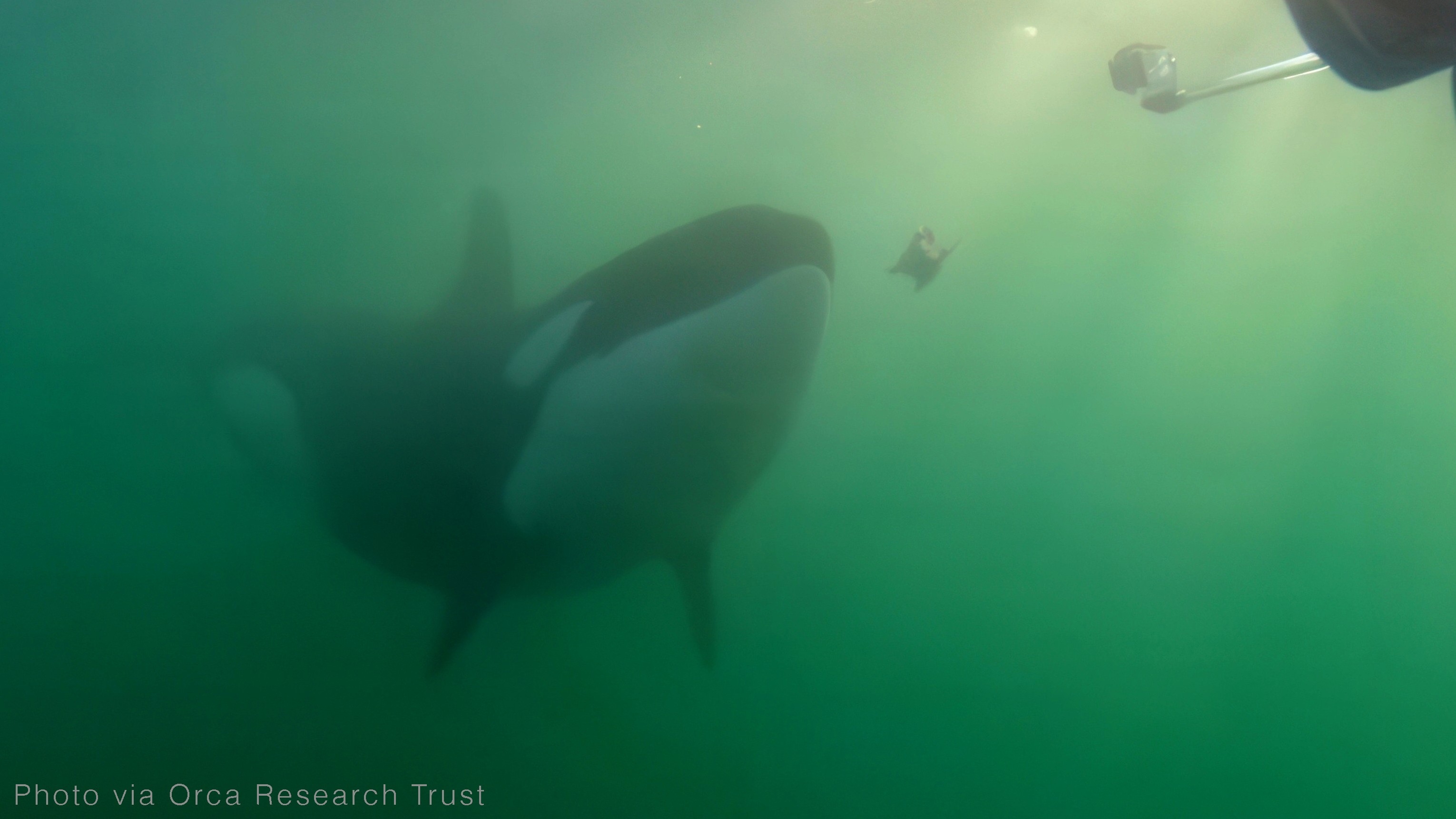
Researchers have documented orcas dropping prey and other marine life in front of humans, as if offering us food. The orcas' motives are uncertain, but the sharing behavior could be an attempt at a cross-species relation...
New Scientist - 2 Jul 2025 18:00

A key milk protein for making cheese and yoghurt has been produced in bacteria for the first time, paving the way for better tasting but more sustainable animal-free products
 American
Science News for 2 July 2025
American
Science News for 2 July 2025
 Global
 Great Britain
 Indian
 South Africa